Lawrence County, Mississippi
A Proud Part of the Mississippi GenWeb!
Contact Us:
State Coordinator: Jeff Kemp
County Coordinator: Gerry Westmoreland
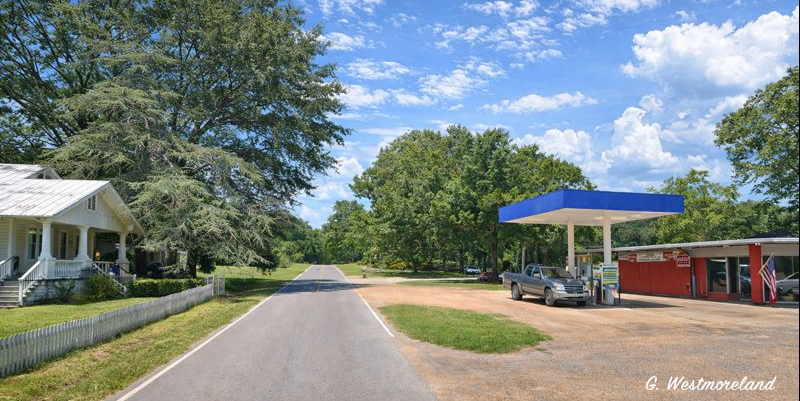
Jayess, Mississippi, is a small but enduring community in Lawrence County, rooted in agriculture, railroads, and the steady rhythms of Pine Belt life. Like many towns in southern Mississippi, Jayess didn’t burst onto the scene—it grew into place, one cotton bale, one railcar, and one family at a time.
Before Jayess had a name, the land that would become central Lawrence County was part of the Choctaw Nation, ceded to the United States in the early 19th century through treaty removals. Afterward, settlers moved into the region’s rolling hills and pine forests, establishing farms, small communities, and churches along wagon roads that connected interior settlements to river landings and, later, rail lines.
These early residents raised corn, cotton, and livestock, relying heavily on kinship networks and church-centered community life—patterns that still define the area today.
Jayess emerged as a named community in the late 19th century with the arrival of the Gulf and Ship Island Railroad. Railroads were economic lifelines in South Mississippi, and when a stop was established in this part of Lawrence County, a settlement quickly formed around it.
The town’s name—Jayess—is traditionally said to be derived from the initials “J.S.”, associated with individuals or families connected to the railroad or early land ownership. (Like many Mississippi place names, the origin story is partly documented and partly preserved through local tradition—both equally stubborn.)
By the early 20th century, Jayess functioned as a local trade and shipping point for surrounding farms. Cotton gins, general stores, blacksmith shops, and small businesses clustered near the railroad depot. Farmers hauled cotton, lumber, and other products into town, while manufactured goods arrived by rail.
Timber also played a role. The surrounding pine forests fed local sawmills and logging operations, tying Jayess to the broader Pine Belt lumber economy that surged across South Mississippi during this era.
As Jayess grew, so did its institutions. Churches became the social and spiritual anchors of the community, hosting not only worship but revivals, singings, and gatherings that stitched together rural life. Schools—often modest at first—served children from Jayess and nearby countryside, reinforcing the town’s role as a community hub.
Cemeteries in and around Jayess reflect generations of Lawrence County families, making the area particularly rich for genealogical research.
Like many small Mississippi towns, Jayess experienced gradual change after World War II. Mechanization reduced the need for farm labor, timber operations consolidated, and improved highways shifted commerce toward larger towns such as Monticello.
Rail service declined, and some businesses closed or relocated. Jayess remained, however—not as a booming town, but as a stable rural community where families stayed connected to land, church, and tradition.
Today, Jayess is an unincorporated community, quiet but very much alive. It remains surrounded by farmland and pine woods, reflecting its agricultural heritage. While no longer a major commercial center, Jayess continues to serve as home for residents who value its rural character and close-knit community life.
Jayess represents a classic South Mississippi story: a town born of the railroad, sustained by farming and timber, shaped by churches and family networks, and preserved through continuity rather than expansion. It’s not flashy history—but it’s honest history. And in Mississippi, that kind tends to last the longest (long after the last train whistle fades).